
Service route

Qualify fit by geometry, material, surface function, finishing and inspection before a quote conversation.

Service / Metal AM

Manufacture metal parts with LMD scale, SLM detail or a hybrid additive route.

This page is for new-build parts, prototypes, hard-to-machine alloys, compact SLM geometries, large LMD builds and projects where finishing and inspection must be planned from the start.
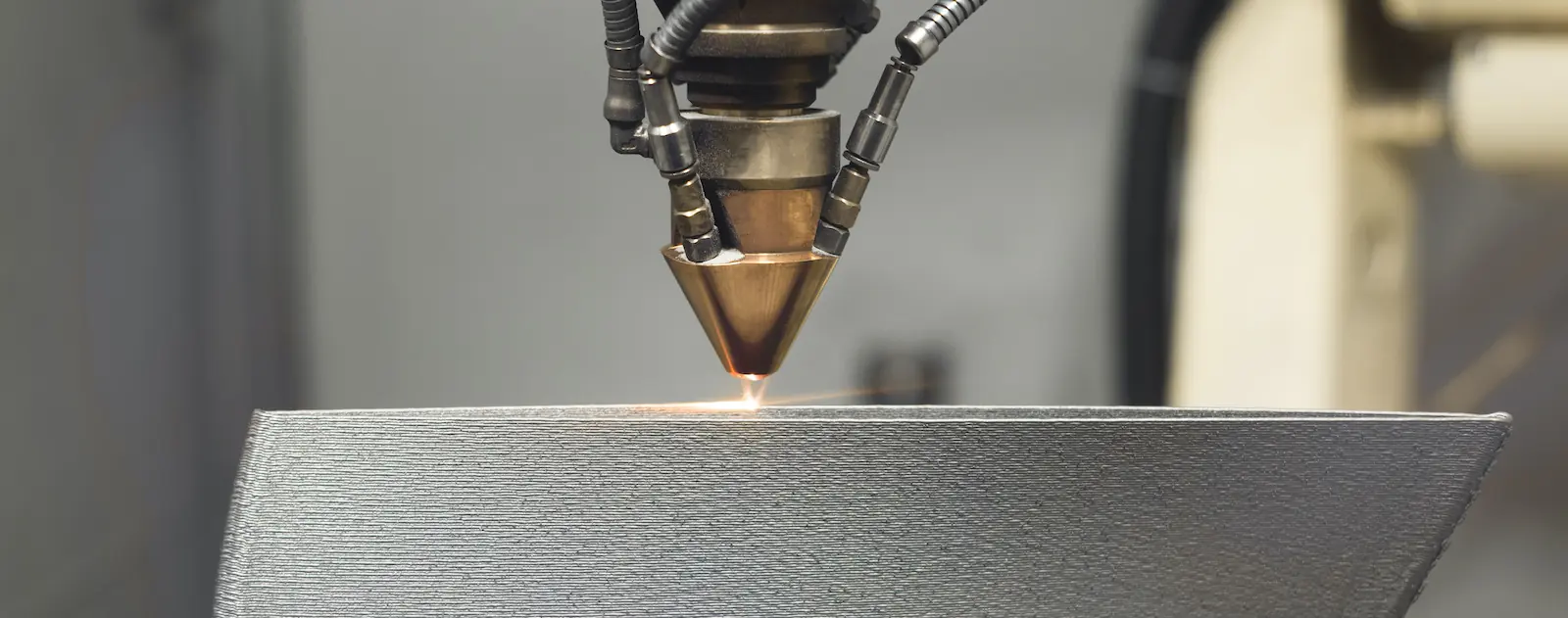
Laser Metal Deposition process adding metal to a component

Process fit

Choose LMD, SLM or hybrid by part logic, not by acronym.

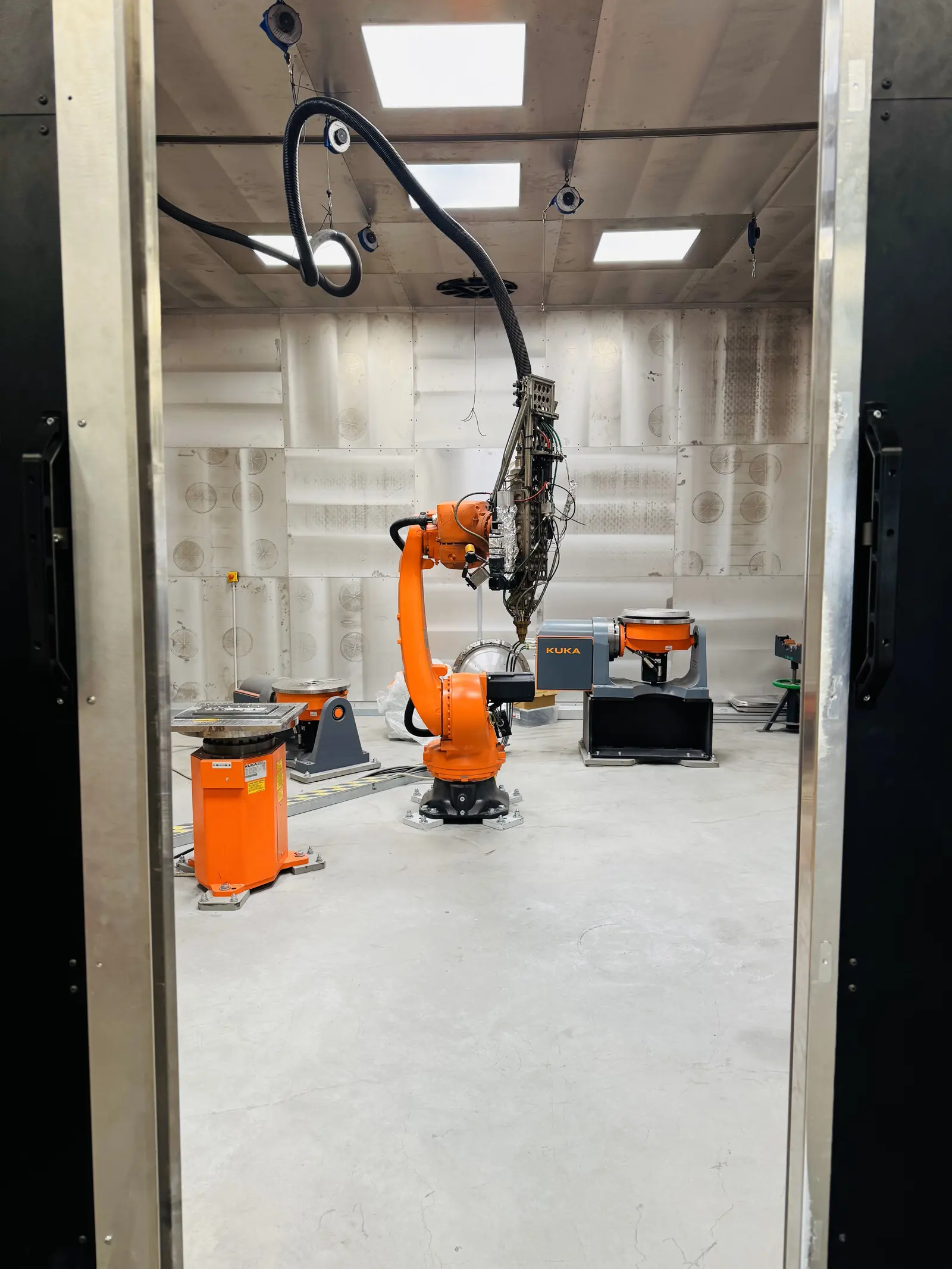
Exafuse uses laser-based additive manufacturing to create robust metal components from powder. The 3-axis Titan LMD system provides a 4 m3 build space for components up to 2 m x 1 m x 2 m, while the 6-axis robotic LMD system supports complex shapes, 2-axis positioning and components up to 1,000 kg on the rotary table. SLM / LPBF is strongest for compact fine-detail geometries on the TRUMPF TruPrint 3000 platform.
Use LMD whenLarge geometry, local material addition, repairable design, near-net-shape build or hard-to-machine alloy drives the route.
Use SLM whenCompact geometry, fine detail, internal channels, lattices or powder-bed design freedom create the part value.
Use hybrid whenThe part needs LMD scale or speed and SLM resolution logic in the same overall manufacturing strategy.
3-axis Titan window4 m3 build space for components up to 2 m x 1 m x 2 m, with LMD wall widths from 1.8 mm to 3.7 mm.
6-axis robotic LMD system for complex geometry, repair and cladding
6-axis robotic window 6 x 5 x 4 m installation space, 2-axis positioners, 1,000 kg rotary-table support and zoom-optic wall adjustment from 1.5 mm to 4.5 mm. Open related page
SLM machine windowTRUMPF TruPrint 3000 with 400 mm diameter platform, 400 mm build height and 500 W single-laser capability.

Manufacturing route

From CAD review to finished and inspectable geometry.

The manufacturing discussion should include geometry, material, process choice, finishing and acceptance criteria before a quote is treated as final.

1CAD reviewCheck build orientation, feature size, critical surfaces and missing data.
2Route choiceDecide LMD, SLM / LPBF or hybrid based on size, detail, quantity and risk.
3Material planAlign alloy family, powder route, substrate interaction and procurement constraints.
4Finishing planDefine machining, grinding, heat treatment or surface finishing early.
5Inspection planDefine dimensional, surface, metallographic or documentation requirements.

Flagship structural LMD proof

Duisburg bridge nodes and handrails show what large-format LMD requires.

The bridge project is the strongest Metal AM proof story on the site: more than 750 kg of LMD-manufactured components, six structural nodes, handrail production, CAD redesign, custom path planning, process monitoring and validation support in one project.
Structural nodesSix Knoten produced by LMD after manufacturability and validation review.
HandrailsParallel handrail route using segmentation, orientation planning and LMD joining sections.
Production scaleKnoten 10 required 219 hours of printing and about 8 km of robot travel.
Process dataMore than one million melt-pool images supported process understanding and future monitoring work.
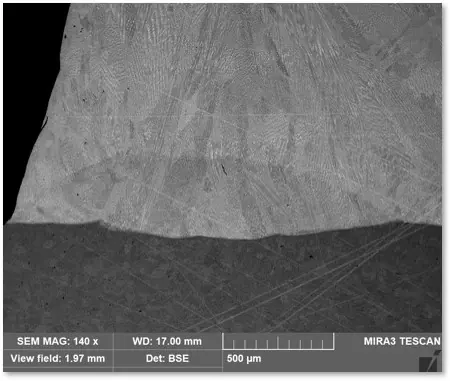
Inspection equipment for additive manufacturing quality review
External validation KIT validation support helped confirm the optimized route for the project. Open related page
Buyer lessonLarge structural AM succeeds when design, deposition, finishing and evidence are planned together.

Drill workflow proof

From rapid prototype to full build-and-coat LMD workflow.

Public Exafuse proof stories show the same drill family from two useful angles: a 24-hour functional prototype with ZIPP Industries and a 130 mm video proof where LMD is used for both part fabrication and final wear-resistant anti-magnetic coating from an alloy containing tungsten carbide.

24-hour proofUseful when geometry, material, surface function and first acceptance target are clear.
130 mm workflowBuild the drill geometry from powder, then add the final functional coating in the LMD route.
Laser Metal Deposition process adding metal to a component
Material efficient LMD deposits material only where the prototype or working feature needs it. Open related page
Custom surface functionAnti-magnetic, wear or corrosion requirements can be discussed as part of the route.
Inspection equipment for additive manufacturing quality review
Validation boundary Coating material, bond quality, finishing and release evidence remain part-specific. Open related page

Multi-material proof

750 mm water-cooled nozzle with two Ni-based alloys.

A public Exafuse proof story showed a 750 mm thin-walled nozzle design produced by LMD with Inconel 625 for the inner structure and Inconel 718 for the outer structure and cooling ribs. Treat it as a strong feasibility signal for complex material zoning, not as a guarantee for every thin-wall design.

750 mm structureLarge thin-wall geometry with cooling-feature logic.
1.8 mm wall contextThin-wall planning tied to path offsets, heat and layer strategy.
1,070+ layersLong build stability matters for demanding LMD geometry.
50 hoursTwo uninterrupted printing days in the public proof story.

Article snapshots

Read the manufacturing articles connected to this service.

These articles answer the process-selection questions buyers usually ask before sending CAD, drawings or an RFQ package.

Proof and FAQ

Manufacturing proof paths and direct answers.

Use these snapshots to compare examples, limits, machine capability and direct LMD/SLM answers before requesting a review.

Manufacturing RFQ

Send CAD, material, size and target finish.

Exafuse can review whether LMD, SLM or a hybrid route is the practical process path. Final pricing and feasibility depend on technical review.

Start manufacturing RFQ