
Industries
LMD applications are driven by component duty.
Industrial fit depends on typical components, failure modes, materials, QA expectations and the proof available for similar applications.
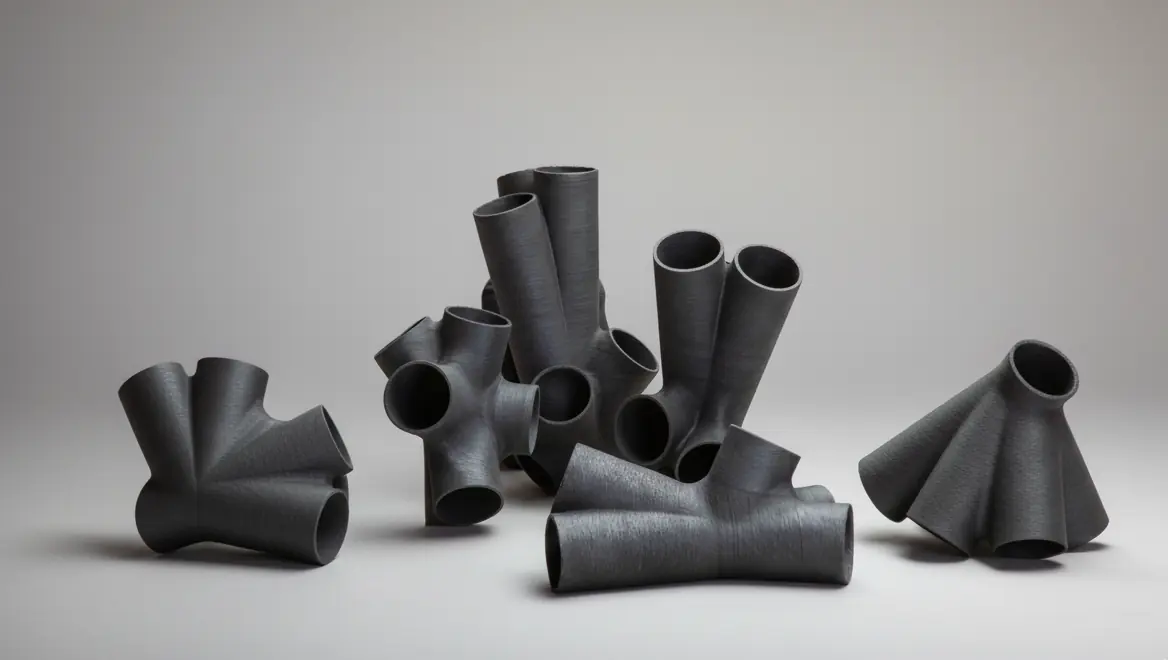
Industry map
Where Exafuse can create buyer relevance.
Use the industry map to move from sector context into the service route that fits the component: build, repair, modification or protective cladding.
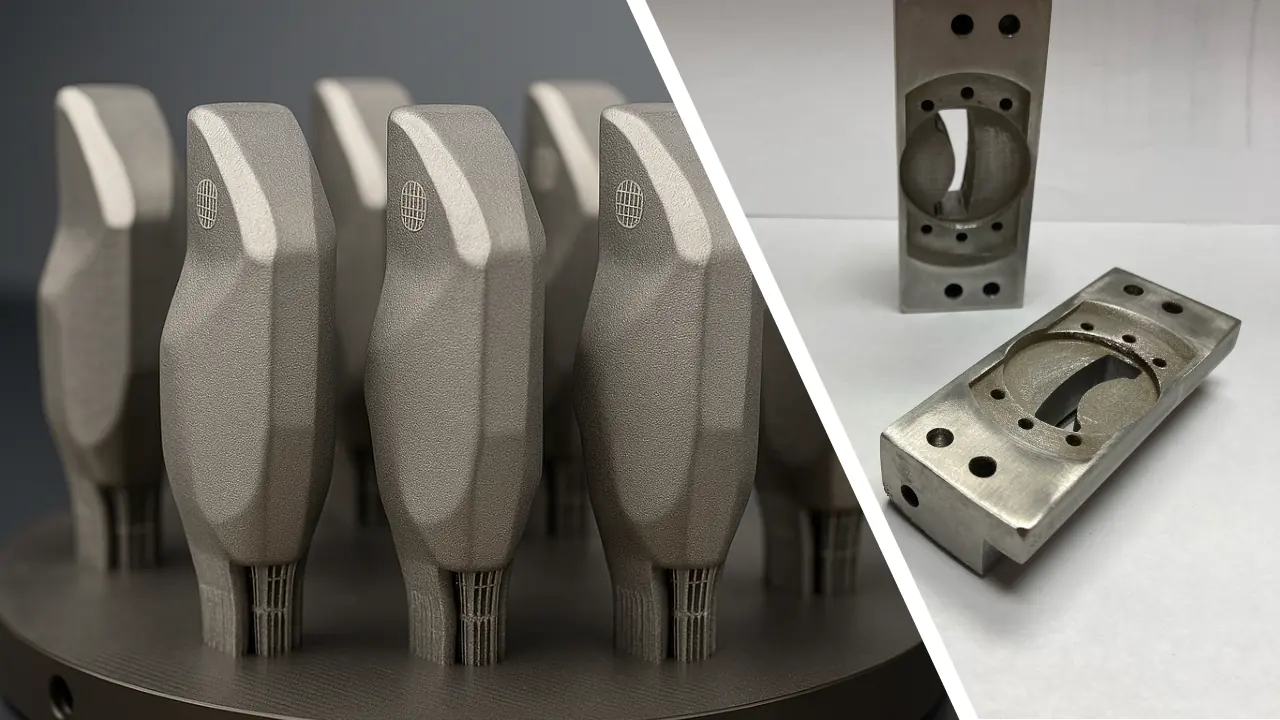
Aerospace and space
High-value parts, validation needs, lightweight and repairability questions.
Open related page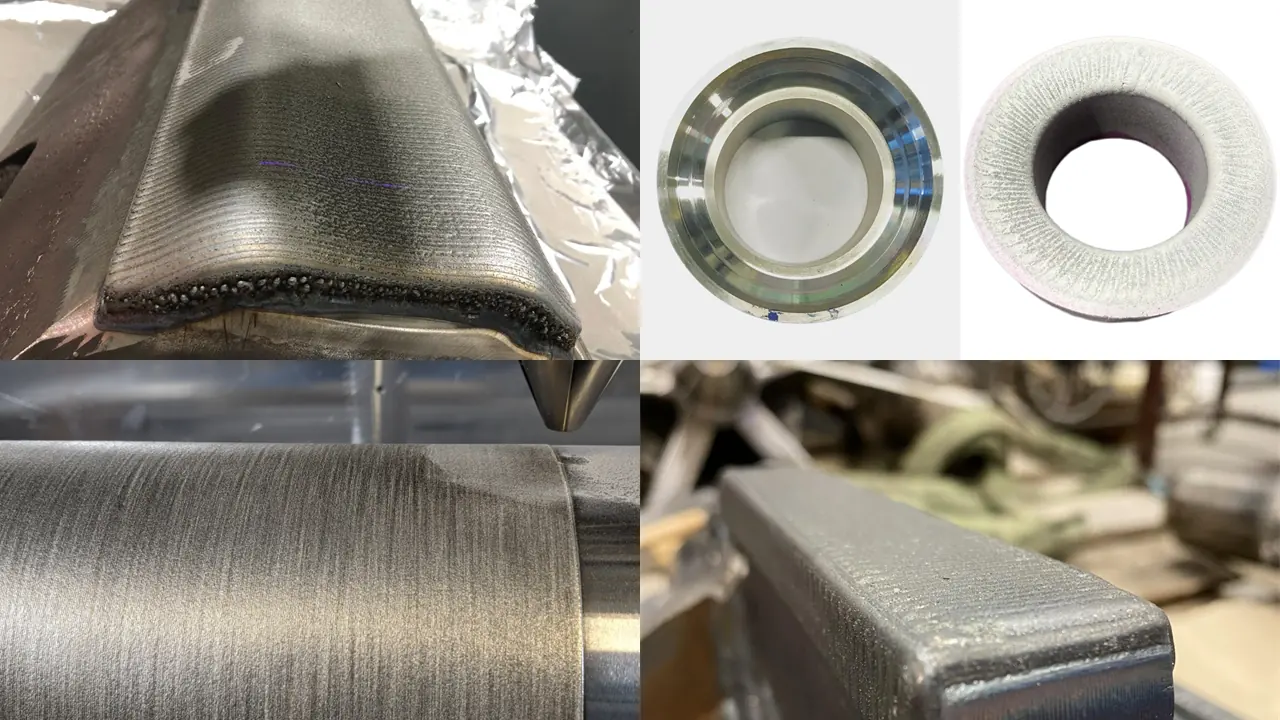
Energy and turbomachinery
Wear, corrosion, heat and repair lead-time problems.
Open related page
Tooling and molds
Hot-work tools, forging hammers, dies, edges, local repair and hardfacing.
Open related page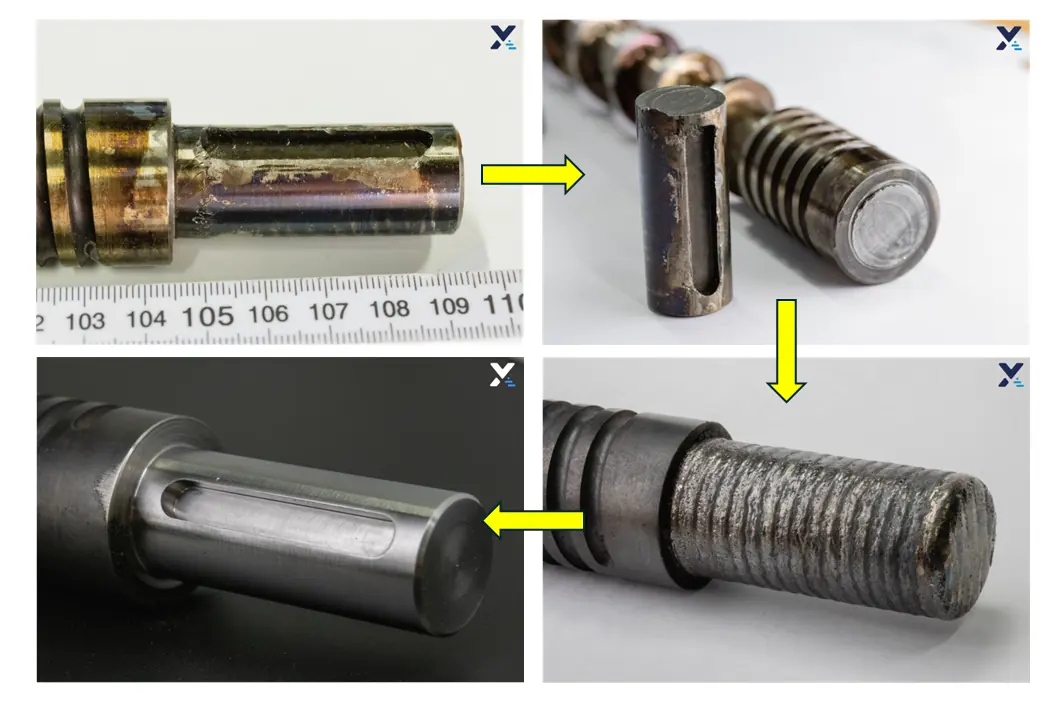
Heavy machinery
Large components, abrasion, geometry restoration and downtime pressure.
Open related page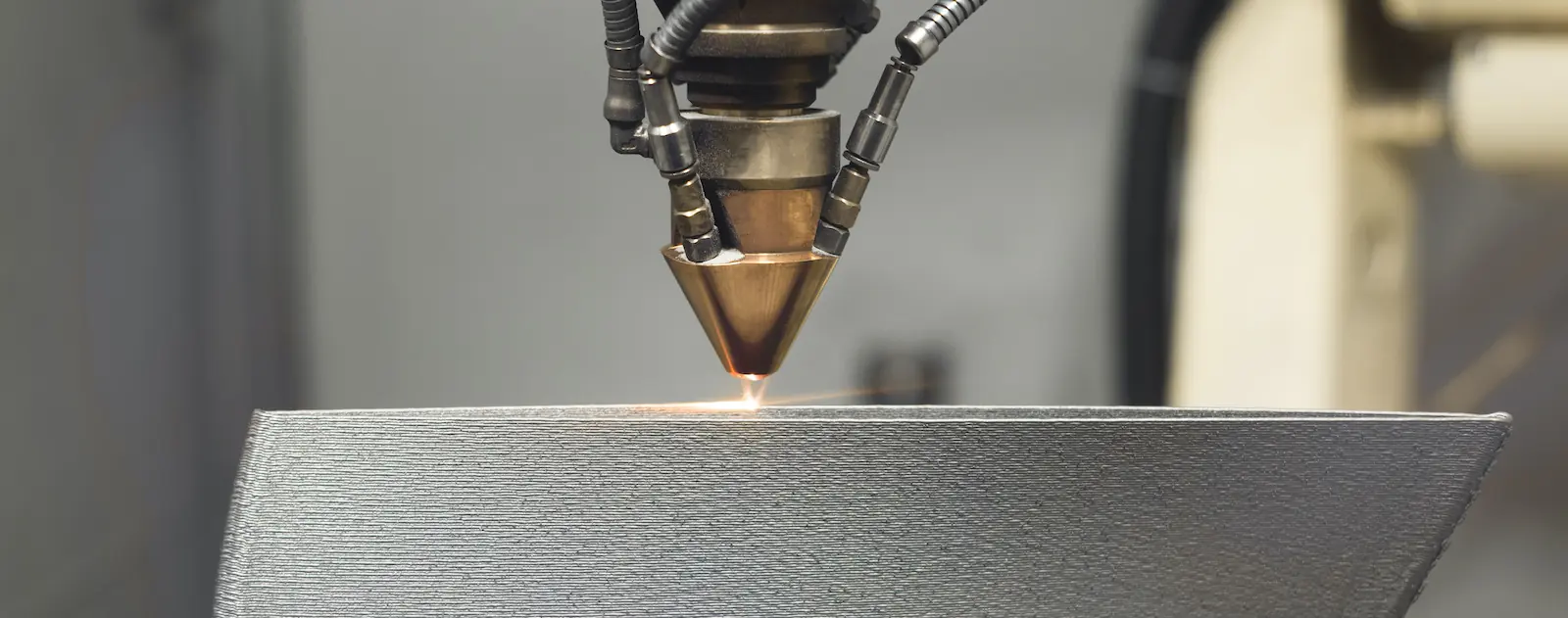
Steel and rolling
Rollers, shafts, high wear zones, coating and dimensional restoration.
Open related page
Mining
Abrasive wear, impact, lead-time and maintenance economics.
Open related page
Rail
Repair planning, documentation and component life-extension questions.
Open related page
Marine and offshore
Corrosion, wear, coatings and repair logistics.
Open related page
Infrastructure and architecture
Large visible metal components where manufacturability, validation and assembly interfaces must be planned together.
Open related pageInfrastructure proof pattern
Duisburg bridge components turn large structural LMD into a credible industry story.
For infrastructure, architecture and heavy assemblies, the buyer question is not whether a large part can be printed. It is whether the route can connect design intent, structural expectations, manufacturing reality, inspection and documentation.
Energy proof pattern
Turbo generator rotor wedges start from surface duty and thermal risk.
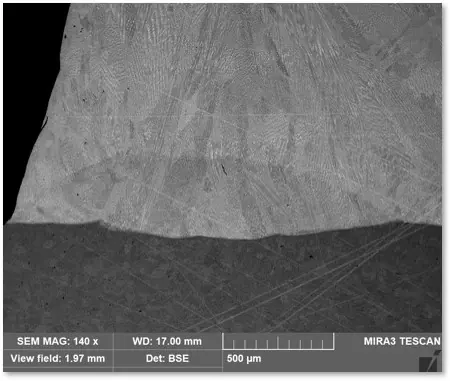
The rotor wedge case study belongs in energy and turbomachinery conversations: copper-substrate coating, CuNi2SiCr material context, temperature-managed LMD, batch processing and release planning. It is a proof pattern for evaluation, not a blanket claim for every generator component.
Proof pattern
Forging and tooling buyers usually start from downtime and local wear.
The forging hammer story belongs in tooling, heavy machinery and maintenance conversations: local impact wear, high replacement pressure, application-specific alloy strategy, finishing and inspection. It is a proof pattern for evaluation, not a universal result guarantee.