
Service route

Qualify fit by geometry, material, surface function, finishing and inspection before a quote conversation.

Service / Repair and modification

Repair high-value metal parts before replacement becomes the only option.

This page is for maintenance, plant and procurement teams comparing repair, replacement, downtime, lead time, inspection risk and LMD build-up on an existing component.
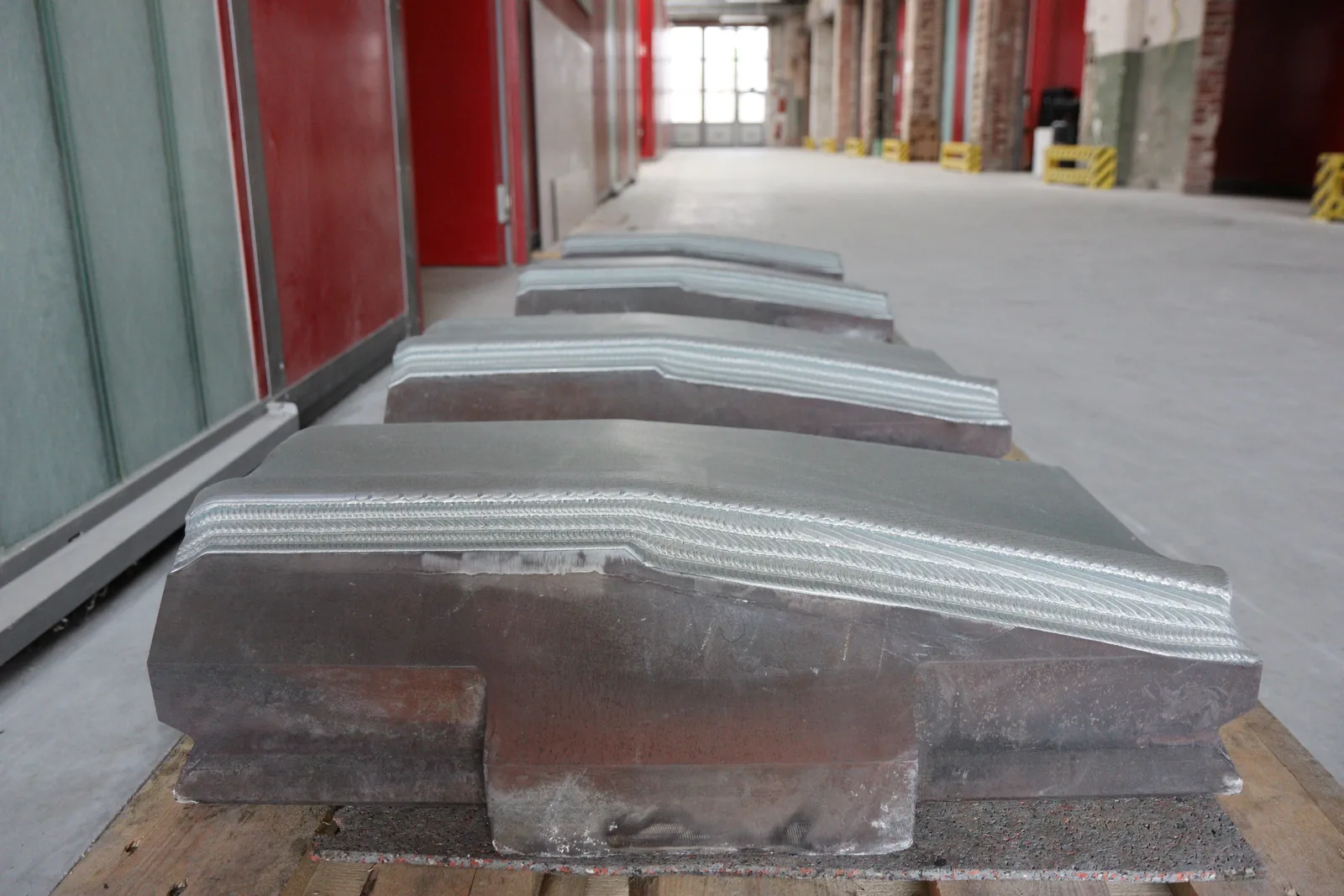
Side view of forging hammers showing incremental LMD layers on the working surface

Repair fit

Targeted LMD build-up restores local geometry where the base part is still worth saving.

Repair and modification work starts with the damaged zone, base material, duty cycle and acceptance criteria. LMD can restore worn surfaces, replace missing geometry, correct machining errors or add functional zones when the repaired area can be inspected and finished to the required condition.

Use whenDamage is localized, replacement lead time is high, downtime matters and acceptance criteria can be defined.
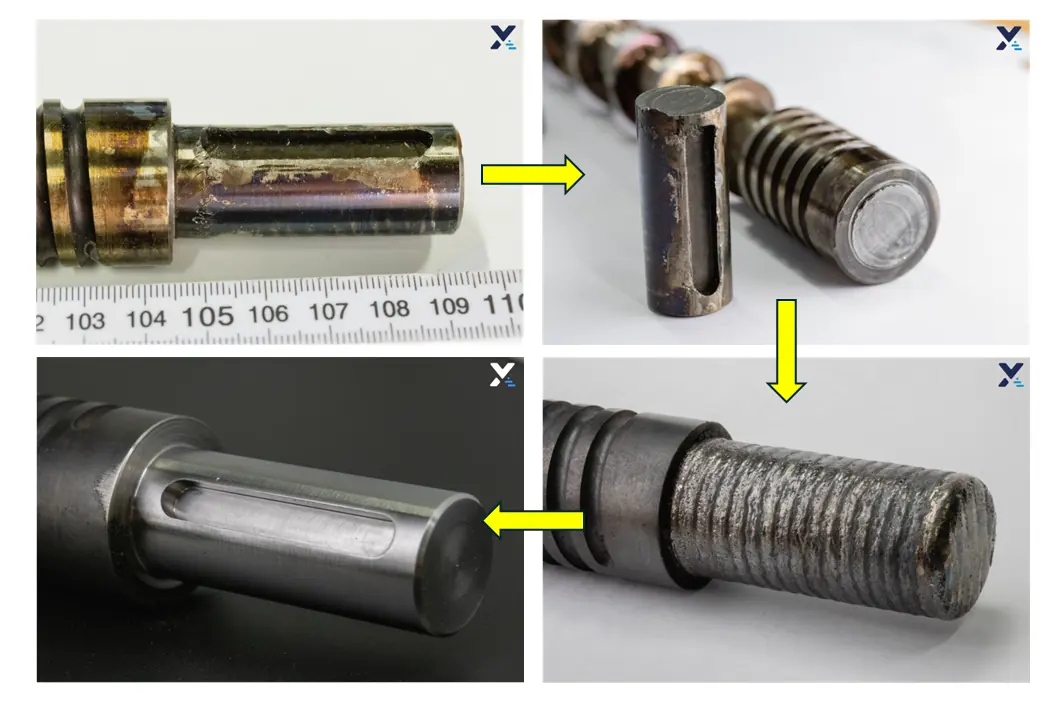
Strong examplesGear teeth, forging hammers, tooling zones, shafts, undersized surfaces, damaged edges or features that can be rebuilt and machined.
Not ideal whenBase material condition is unknown, damage is systemic, cracking is uncontrolled or the required qualification cannot be met.
Commercial logicRepair should be compared against replacement cost, lead time, downtime, machining, inspection and repeat-failure risk.

Repair route

Repair is an engineering and economics decision.

The route should answer whether the part is technically repairable, commercially worth repairing and inspectable after deposition and finishing.

1Damage reviewPhotos, drawings, dimensions, base material and operating conditions.
2Repair fitCheck localized damage, crack risk, substrate condition and route constraints.
3Build-up planDefine deposition zone, material family, stock allowance and heat-management logic.
4Finish routePlan machining, grinding or surface preparation needed for the functional surface.
5AcceptanceDefine inspection, dimensional checks and documentation before the job starts.

Forging hammer proof

High-impact tooling needs local repair plus validation.

The hammer case study shows targeted LMD build-up, metallurgical bonding logic, 10-20 mm local reinforcement layers and application-specific material strategy. Treat this as a repair candidate pattern, not a universal service-life promise.
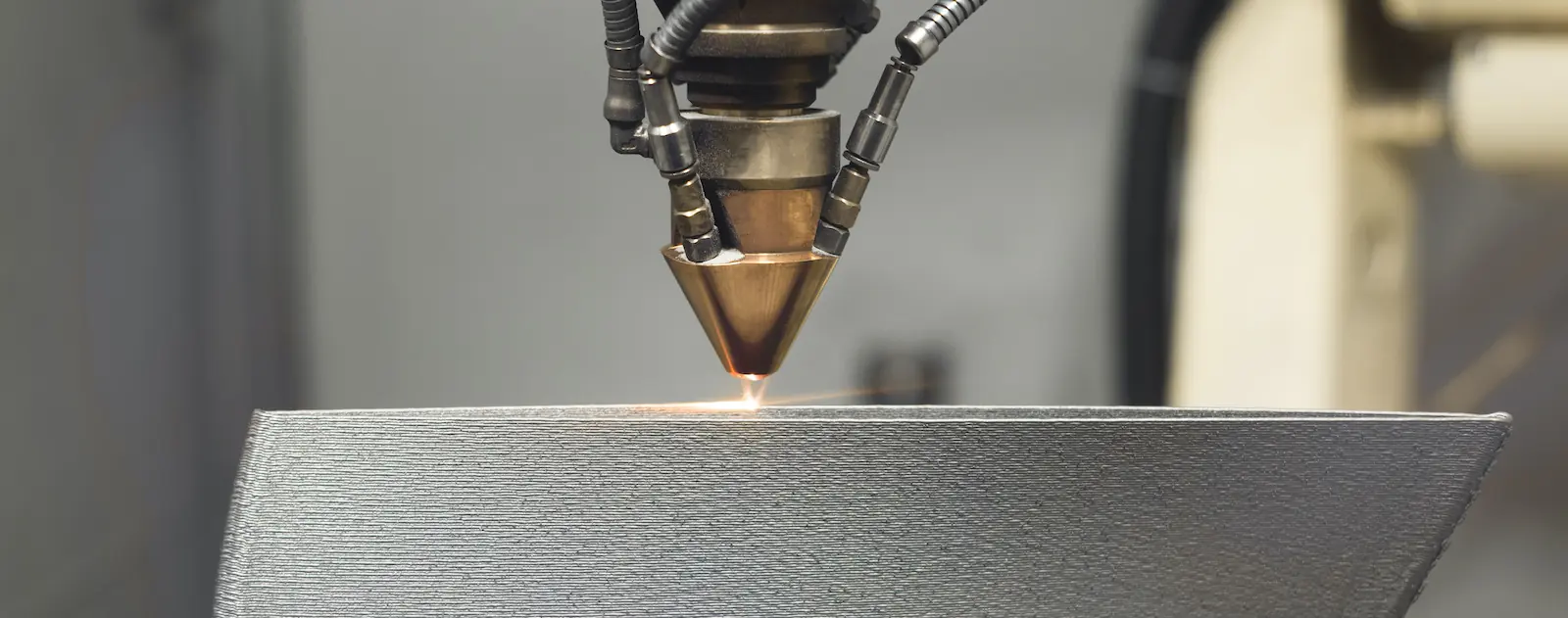
Damage zoneHammer faces and tooling surfaces are reviewed by local wear depth, cracks, access and remaining base-part condition.
Laser Metal Deposition process adding metal to a component
Material route The alloy strategy balances wear resistance, impact toughness, substrate compatibility and finishing needs. Open related page
Industrial metal component prepared for repair or rebuild
Repair economics Replacement lead time, downtime, tool availability and repeat wear belong in the repair-vs-replace comparison. Open related page
Release planFinal geometry, surface condition, crack checks and documentation are defined before deposition starts.

Article snapshots

Read the repair articles connected to this service.

These articles cover the business case, toolpath logic, lead-time pressure and design-for-repair questions behind LMD repair work.

Proof and FAQ

Repair proof paths and direct answers.

Use these snapshots to compare repair examples, economics, intake requirements and limits before sending a component for review.

Repair assessment

Send damage photos, dimensions and base material.

Exafuse can review whether LMD repair or modification is realistic. Final feasibility depends on part condition, inspection needs and finishing route.

Request repair assessment