
Research project
EIS-KW connects additive manufacturing with temperature-controlled forging-tool development.
The project sits at the intersection of forging-tool duty, cooling and heat-management concepts, material selection, SLM / LPBF, LMD, monitoring and wear evaluation.
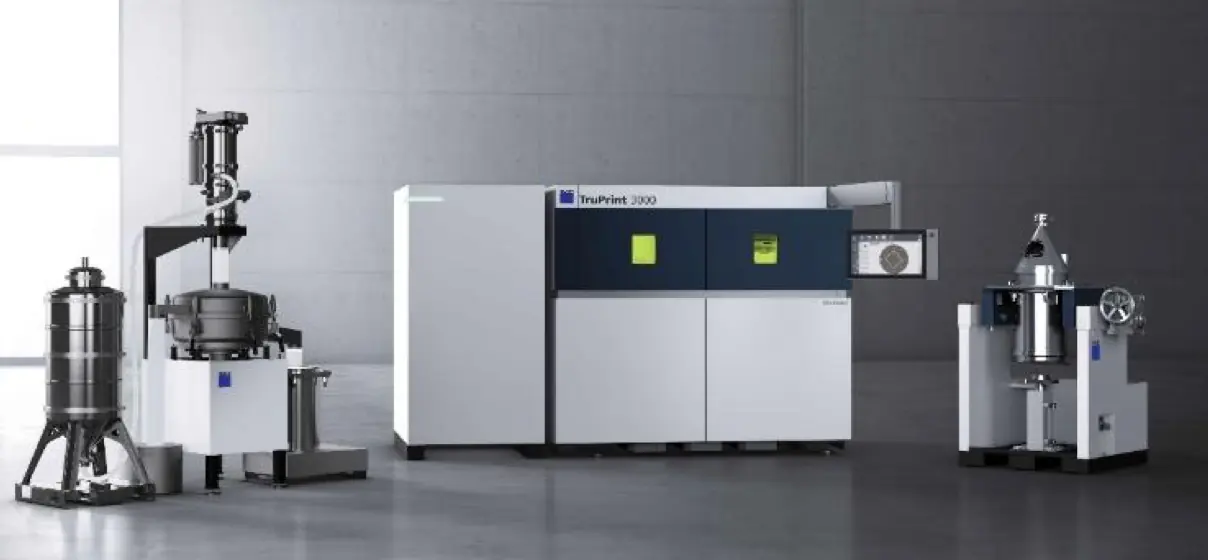
Publicly funded research project
From tool temperature to manufacturable additive tooling concepts.
EIS-KW is a research project around forging-tool performance, temperature control, cooling and heat-management concepts, material route, manufacturing feasibility and wear evaluation. The public story is practical: additive manufacturing only creates value for forging tools when design, material, process route, finishing and validation are planned together.
Research route
Tooling value comes from manufacturable decisions.
For forging tooling, the useful question is whether additive manufacturing improves the tool concept in a way that can be manufactured, finished and evaluated.
1 / Requirements
Start with the forging tool, process temperature, press load, cycle time, target surface quality, current failure mode and available tool-life data.
Open related page
2 / Cooling and material logic
Review cooling-channel concepts, heat-management targets and hot-work material routes together so the design does not outrun the process.
Open related page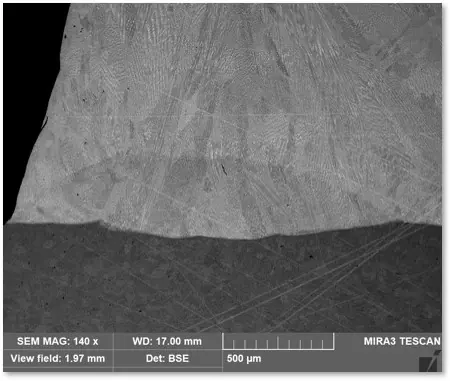
3 / Manufacturing and validation
Plan the additive route, post-processing, sensor or monitoring context, inspection evidence and wear evaluation before presenting results.
Open related pageTechnology connection
EIS-KW belongs next to SLM, LMD and hybrid process selection.
Tooling research can use powder-bed logic for compact detailed features, LMD logic for local material addition or surface routes, and hybrid logic when final tolerances and functional surfaces need finishing.
Pilot discussion
What to send for a related tooling discussion.
A useful EIS-KW-style discussion starts with the real tool duty and the current failure mode, not with a generic additive manufacturing request.